Relational Therapy in Eagle, Idaho
Relationships can be a source of support, stress, healing, and growth. Relational therapy helps you understand how experiences with others shape the way you communicate, set boundaries, handle conflict, and view yourself. The work is grounded in a respectful therapeutic relationship and focused on meaningful change beyond the counseling office.

Licensed therapist • 10+ years experience • Evidence-based care

What is relational therapy?
Relational therapy is based on the understanding that emotional well-being develops within relationships. It explores recurring interpersonal patterns, power and boundaries, expectations, ruptures, and repair. Your therapist offers curiosity, honest reflection, and collaboration rather than judgment.

Who may benefit?
People repeating painful relationship patterns
Clients who struggle with boundaries or people-pleasing
Those who withdraw, become reactive, or fear conflict
Individuals healing from relational hurt
Couples or family members seeking stronger communication and trust
What might sessions look like?
You may explore a recent interaction, notice what you expected or feared, and practice expressing needs more clearly. The therapist-client relationship may also provide a safe place to notice patterns as they occur. Practical experiments between sessions help translate insight into healthier connection.
How relational therapy helps patterns become visible
Relationship patterns can feel automatic because they developed over time and often serve a protective purpose. You may anticipate rejection, avoid asking for help, take responsibility for other people’s emotions, become guarded during conflict, or remain in relationships that do not support your well-being. Relational therapy helps you notice these patterns with curiosity and decide which ones still serve you.

The therapeutic relationship as a place to practice
A consistent, respectful relationship with your therapist can provide an opportunity to notice expectations and reactions as they occur. You may practice giving feedback, expressing disagreement, asking for clarification, setting a boundary, or staying present when a conversation feels vulnerable. Your therapist should welcome this collaboration.
Boundaries, needs, and mutuality
Healthy relationships make room for each person’s needs, limits, responsibilities, and perspective. Therapy may help you distinguish a boundary from an attempt to control another person, communicate needs more directly, and recognize where a relationship lacks reciprocity or emotional safety.


Breaking repeated interpersonal cycles
You may explore the sequence of a difficult interaction: what happened, what meaning you made, how you protected yourself, how the other person responded, and what followed. Seeing the sequence creates options. You can then practice one different response and observe how the interaction changes.
Progress beyond the therapy office
Relational progress may look like choosing healthier relationships, tolerating appropriate closeness, communicating sooner, recovering after conflict, or trusting your own perception. Between sessions, small experiments can help translate awareness into lasting change.

What might relational therapy look like for different clients?
These examples illustrate possible uses of relational therapy. They do not assume a diagnosis, define a relationship, or determine the focus of anyone’s care.
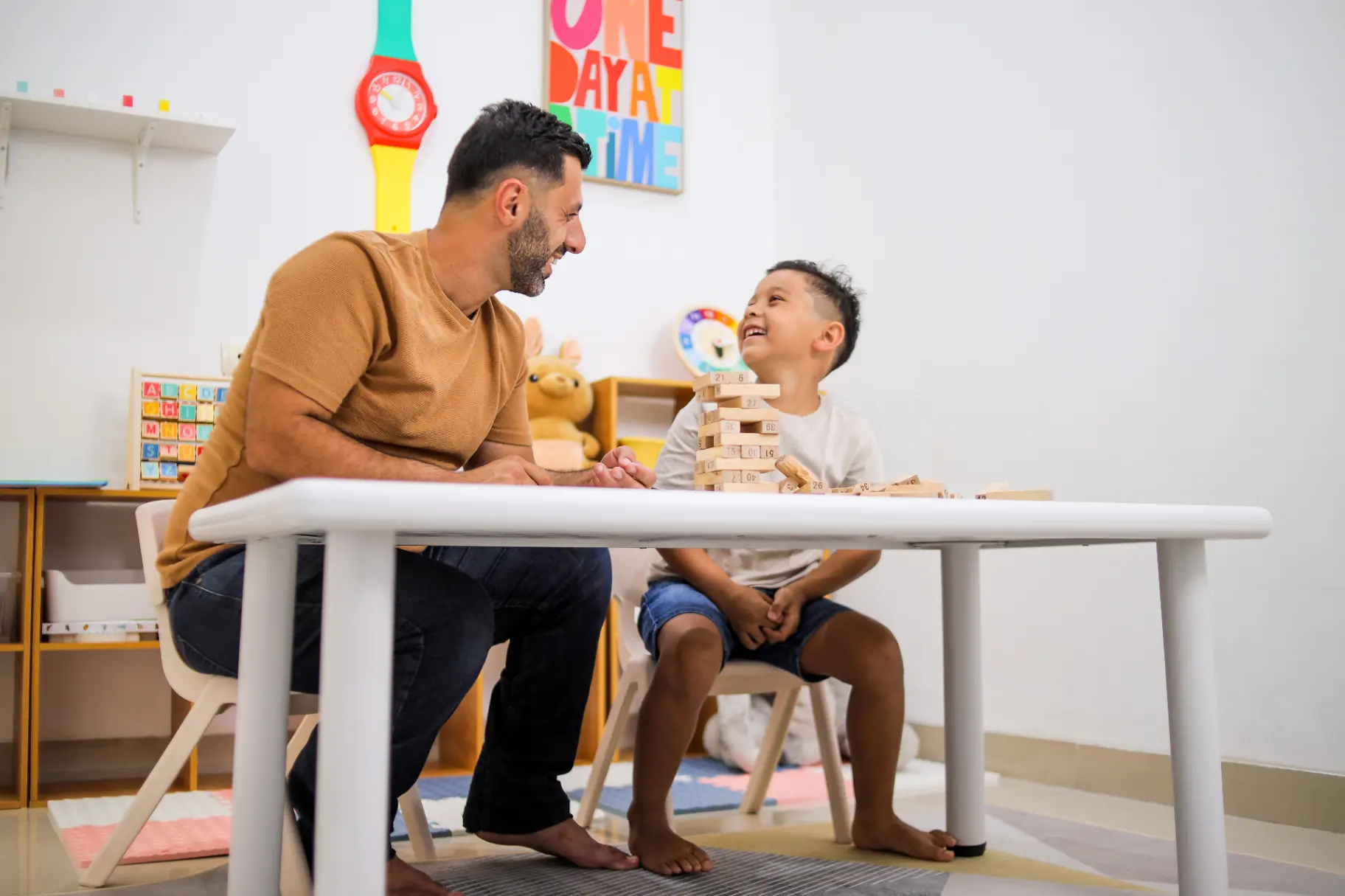
For a teen
These examples illustrate possible uses of relational therapy. They do not assume a diagnosis, define a relationship, or determine the focus of anyone’s care.

For an adult
A client who repeatedly overcommits may examine beliefs about disappointing others, notice discomfort when saying no, and practice a clear boundary in a lower-risk situation.

For a professional
Relational work may address difficulty delegating, receiving feedback, navigating conflict, or separating professional responsibility from responsibility for everyone else’s emotions.

For a couple or family member
Sessions may focus on how each person experiences a repeated interaction and practice a different way of naming needs or repairing impact. Other methods may be added when more structure, trauma support, or skills practice is needed.
Frequently Asked Questions
Is relational therapy only for couples?
Not always. Your therapist will recommend who should participate based on the concern, goals, age of family members, and practical circumstances.
Will the therapist take sides?
The therapist’s role is to support the health of the family system, understand different perspectives, and help everyone work toward constructive change.
What if one family member is reluctant?
Change can still begin with the people who are willing to participate. Your therapist can help determine a useful starting point.
Build a calmer, more connected home
Contact Family Life Counseling Center to request family systems therapy in Eagle or through telehealth in Idaho.
Related support you may also consider
Families may also benefit from learning about counseling for children, therapy for teens, couples and marriage counseling, parent and family counseling, parent coaching, attachment-focused therapy, or emotion-focused counseling. Participation and session format are determined collaboratively and may change over time.